

Small Businesses and the Concept of “Digital Transformation”
Small businesses sit in a strange middle ground. They carry much of the economy, provide local jobs, pay tax, and still run on thin margins and long days. A business owner in Colorado or any other state spends more time on customers and employees than on buzzwords. When people start talking about “digital transformation”, it can sound like something written for billion-dollar companies, not for a small business that files individual tax returns and works with a local chamber.
Under all the jargon, the idea is simple. Digital tools change how businesses sell, track revenue, talk to customers, train staff, and deal with the Internal Revenue Service. A hair salon that takes bookings through an app, a landscaping firm that invoices online, or a limited liability company that uses a cloud ledger instead of a box of receipts — all of these are examples of “digital transformation” in practice. The change is not only about technology; it reshapes daily work, liability, prices, and even how small business owners think about capital and growth.
Across the United States, public bodies understand this shift. The Small Business Administration (SBA), local SBA office teams, the Colorado SBDC, local governments, and the U.S. Chamber all talk about digital tools in almost every program they offer. Through small business development centers and statewide programs, they mix confidential one-on-one advising, essential training delivered in a more practical way, and on-demand trainings that show entrepreneurs how to bring their own business online without losing the personal service that keeps new customers coming back.
What “Small Business” Means Before We Talk About Technology
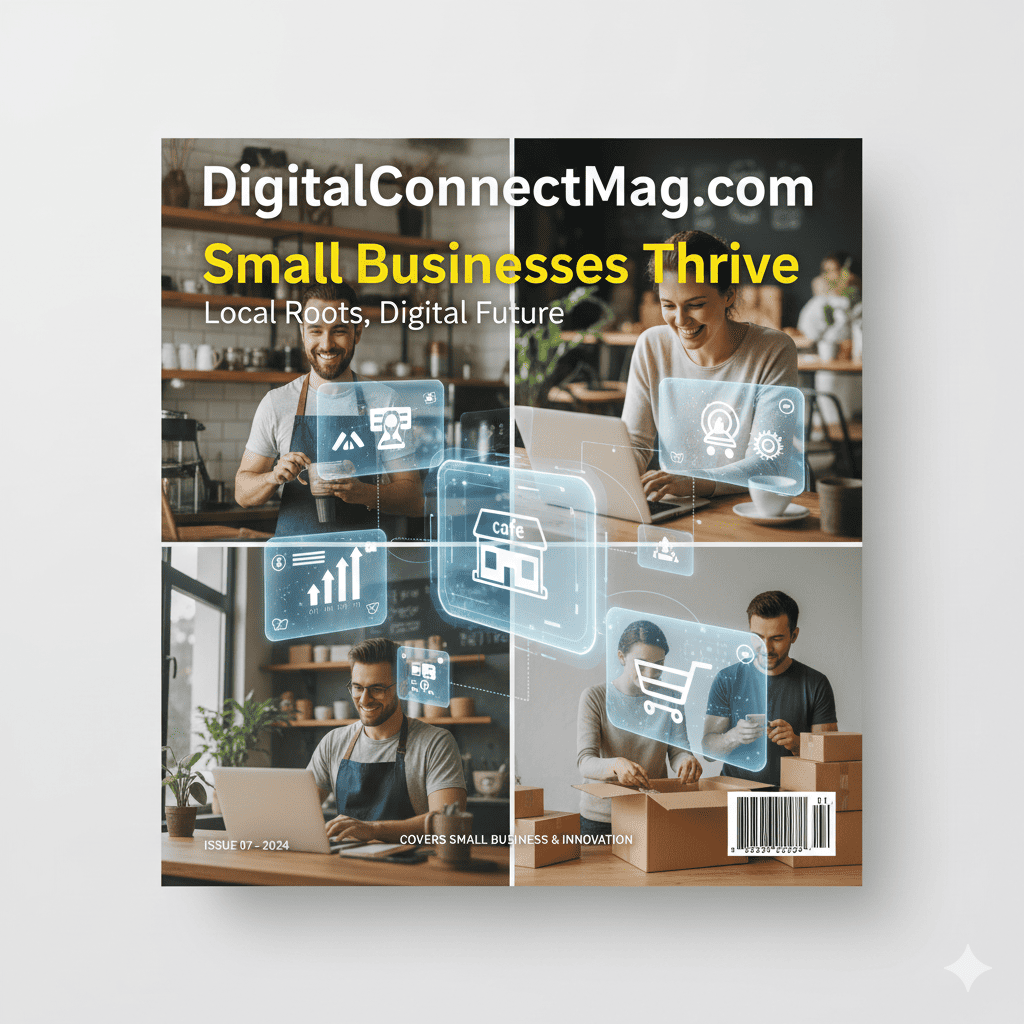
Before talking about screens and software, it helps to know what “small” means. In the United States, the federal government uses NAICS codes (the North American Industry Classification System) and annual revenue or number of employees to define small business size. The U.S. Census Bureau uses those same codes and size limits when it measures industry output. The Small Business Administration writes its own SBA size standards so that firms can qualify for loans, grants, and programs.
A tiny coffee shop and a regional manufacturer both sit under the “small” label, yet they face different challenges. One runs daily natural resource sales such as milk and beans; the other tracks complex supply chains with multiple community partners. Their NAICS codes differ, their annual revenue looks nothing alike, and the Internal Revenue Service treats them differently on individual tax returns, yet both count as small businesses for many small business resources and small business grants.
The legal structure matters as well. Many owners choose a limited liability company to protect personal assets while they test new business ideas. Others begin as sole proprietors and later ask the Colorado SBDC or another center for advice on when to switch structures. Those legal steps connect directly with the digital side: accounting software, payroll systems, online tax filing, and digital record-keeping all depend on the way the business is registered.
When people talk about “digital transformation” for small business owners, they are not only talking about flashy apps. They are talking about work that touches SBA office rules, Internal Revenue Service forms, NAICS codes, liability, workers’ compensation, and the way annual revenue and job numbers show up in U.S. Census Bureau data.
Digital Transformation, Without the Hype
For a small business, “digital transformation” usually means three connected changes.
First, the business shifts part of its services or sales into digital channels. A retail shop sets up online ordering; a construction firm begins to send quotes through email and track capital purchases through a web tool; a training studio runs hybrid classes. Each change affects revenue, costs and how the firm is seen in the local community.
Second, internal work changes. Payroll, staff schedules, individual tax returns, limited liability company paperwork, and communications between employees and owners move into simple systems instead of scattered spreadsheets and paper files. That might involve a new point-of-sale, a CRM, or a digital filing system.
Third, the business connects those tools to outside resources: state programs, banking apps, loan portals, grant applications, and small business administration platforms that request digital documents. A shop in Colorado applying for a small business grant through a state office will often upload financials online. Digital records make that process faster and help the business respond to Colorado SBDC services, SBA checks, or local government audits in a calmer way.
None of this requires a large IT department. It does require a clear plan and real understanding of what the business does, which industry it belongs to under American industry classification, and what types of services its customers expect to find online.
Colorado SBDC And Real-World Support
The Colorado SBDC (Small Business Development Center) offers a strong example of how public resources connect digital change with real work. It operates as part of a statewide small business development network, supported by the Small Business Administration, the state of Colorado, and community partners.
Through Colorado SBDC services, business owners can access confidential one-on-one advising that covers websites, e-commerce, digital marketing, online booking, and basic cybersecurity. Advisers listen to the business story, review annual revenue, staff size, and NAICS codes, then talk through practical steps that match the industry and current budget. That might mean setting up a simple online store for natural resource sales, or using email automation to reach new customers.
The same network runs essential training sessions across the state. These on-demand trainings and workshops cover search visibility, social media tools, digital payment systems, and bookkeeping software. Industry sessions where industry leaders share real-world advice help younger entrepreneurs hear how other small business owners approached software, online reviews, and payment platforms. Many events take place in cooperation with a local chamber, U.S. Chamber affiliates, banks, and other community partners.
Colorado SBDC and similar centers across the United States offer these services in a nondiscriminatory way to eligible legal residents, often at no cost. That mix of public support and expert advice gives small businesses with limited capital a realistic path into digital tools without having to guess or pay large consulting fees.
Funding Digital Efforts: Loans, Grants And Capital
Digital upgrades cost money. A new point-of-sale system, a more secure website, staff training, or a data migration all require capital, time, and focus. Many small businesses tap a combination of cash flow, loans, and grants to fund that work.
The Small Business Administration backs various loan programs that local banks and lenders offer. These products can cover equipment, software, and development of new systems. A small business in Colorado might talk with the Colorado SBDC about which SBA product suits its industry, size and annual revenue, then meet with a lender to discuss terms.
Some statewide programs offer small business grants for specific uses such as e-commerce upgrades, cybersecurity, or export tools. In those cases, SBDC advisers help business owners read the rules, check eligibility, and prepare applications with clear revenue and job data. The federal government sometimes runs grant initiatives for targeted industries or regions, coordinated through SBA office teams and local governments.
Beyond formal grant and loan routes, community partners such as credit unions, regional development groups, and local chamber networks often direct owners toward additional resources. These might include on-demand trainings, mentoring programs, or small capital pools that support pilot digital projects.
Digital tools change how a business looks to lenders as well. Clean records, clear codes, up-to-date individual tax returns, and transparent charts of revenue and expense help a small business present itself to banks, the SBA, or the U.S. Chamber as organised and ready for the next level of development.
People, Training And Culture Inside Small Businesses
Technology means little without people who can use it. For small businesses, where employees carry multiple roles, digital change can feel like an extra load. A front-desk worker in a service business may need to learn online scheduling systems, email tools, and point-of-sale software in addition to daily community contact.
Public support structures recognise this. Colorado SBDC services and other small business resources stress essential training and simple steps so that employees and owners build confidence. A workshop on online bookkeeping speaks directly to the person who enters receipts. A session on digital marketing addresses the team member posting on social media. Confidential advising gives managers a quiet place to talk about resistance, mistakes, and liability concerns.
Local and national advocacy groups, including the U.S. Chamber, local chamber, and trade associations, encourage small business participation in digital policy discussions. Questions around data privacy, online tax rules for interstate sales, and digital payments affect small business owners directly. When industry leaders share their experience, newer businesses gain a clearer picture of which tools match their services and which trends can be ignored.
Digital change can even expand job options in rural communities. A small business in natural resources might use online platforms to sell beyond the county line, allowing the firm to offer one more employee a steady role. An artisan shop in Colorado that once depended on seasonal foot traffic can use e-commerce and email lists to smooth out revenue over the year.
Tax, Codes And Compliance in a Digital Age
Digital tools reshape the relationship between small businesses and agencies such as the Internal Revenue Service and state tax departments. Online accounting makes individual tax returns and limited liability company filings easier to prepare. Software that recognises NAICS codes helps owners understand how their industry is classified and what that means for tax rates, deductions, and liability.
The Small Business Administration, SBA office teams and Colorado SBDC often guide owners through this maze. Advisers show how to map business activity to American industry classification, how to read small business size standards, and how annual revenue fits into eligibility for certain programs, services, and small business grants.
Digital transformation affects compliance in another way: it creates an electronic trail. Online invoices, digital payments, and electronic payroll give regulators a clearer picture of revenue and expenses. That can feel uncomfortable at first, yet it also helps the business prove good faith in tax matters and qualify for grants, loans, and assistance that require detailed financial history.
When digital tools, codes, and tax rules fit together, small business owners spend less time digging through paper and more time understanding what the numbers say about their business.
How Digital Change Feels On The Ground
For a small business owner in Colorado, “digital transformation” might look like this:
A coffee shop signs up for Colorado SBDC services and schedules confidential one-on-one advising. The adviser reviews annual revenue, staff size, and goals. Together they decide to introduce online ordering and a simple loyalty app. The shop attends essential training on social media and learns how to post menu updates that reach new customers in nearby neighbourhoods.
At the same time, the owner upgrades bookkeeping software, connects it to a bank feed, and sets it to track natural resource sales, wages, and rent under correct codes. When tax season arrives, the Internal Revenue Service forms and individual tax returns are easier to complete. With cleaner records, the owner applies for a small loan backed by the Small Business Administration to expand seating.
The cafe now appears in online searches, welcomes digital orders, and knows its annual revenue pattern by month. The team feels more confident using new tools because training and expert advice came through trusted community partners and statewide programs, not random online tutorials.
That story can play out in many directions: a small manufacturer in rural Colorado, a family-owned repair service, a tourism operator tied to natural areas, or a home-based limited liability company selling crafts across the United States. The digital steps differ, yet the pattern stays similar: start from real business needs, tap small business resources, use public programs for assistance, and build skills slowly so the change sticks.
Closing Thoughts
For small businesses, digital tools are no longer a luxury. They shape how revenue flows, how employees work, how customers find services, and how public bodies such as the Small Business Administration, Colorado SBDC, local governments, and the Internal Revenue Service interact with each business.
When owners view “digital transformation” as a set of practical steps rather than a grand theory, the concept fits the daily reality of small business development. With support from SBDC centers, SBA programs, U.S. Chamber networks, local chamber events, and strong community partners, even the smallest shop or limited liability company can find a path that matches its industry, size, and local community.
FAQs
1. What does “digital transformation” mean for a small business?
It means using simple digital tools to run sales, payments, marketing, and records more efficiently, instead of relying only on paper and face-to-face processes.
2. How can the Colorado SBDC help with digital changes?
Colorado SBDC offers confidential one-on-one advising, essential training, and on-demand sessions that show business owners which tools fit their size, industry, and goals.
3. Do I have to be a tech expert to start going digital?
No. Most small steps use user-friendly tools like basic bookkeeping software, simple websites, online booking, and card or online payment systems.
4. What programs from the SBA can support digital upgrades?
The Small Business Administration works with lenders and SBDC centers to provide loans and certain grant programs that can cover software, equipment, and training costs.
5. How do NAICS codes and annual revenue relate to digital transformation?
NAICS codes and annual revenue help the SBA, the IRS, and the U.S. Census Bureau classify your business, which affects which loans, grants, and small business programs you can use for digital projects.
6. Can digital tools make tax season easier for small businesses?
Yes. Online accounting and clean records help with individual tax returns, LLC filings, and answering questions from the Internal Revenue Service.
7. Where can I find more small business resources?
Start with your local SBDC center, SBA office, local chamber, and U.S. Chamber websites; they list trainings, funding options, and small business resources for your state.


